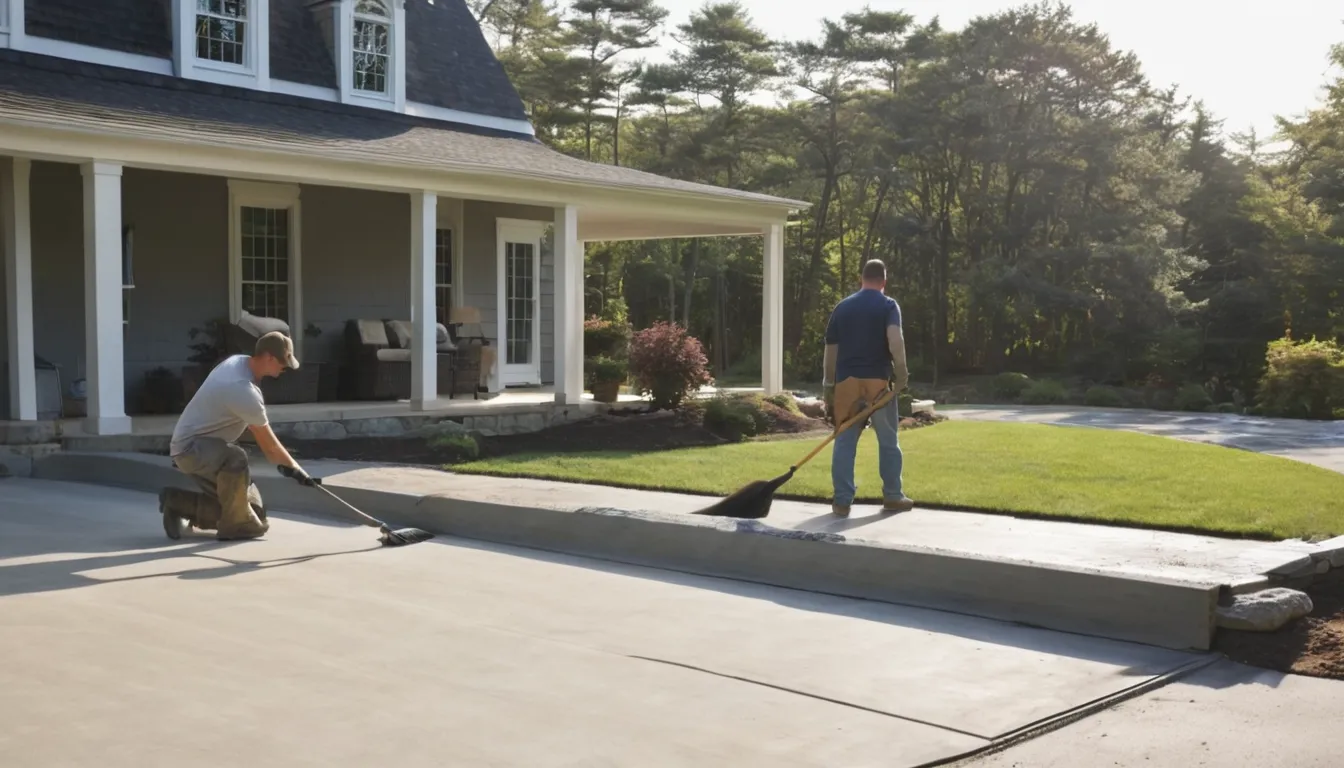
Concrete Driveways
Cracks, sunken spots and crumbling edges are early warnings, and a new driveway may be closer than you think.
Planning a new driveway, a stamped concrete look or a patio? Carpq Concrete connects you with independent local providers, so you can compare options and get a written quote at your own pace.
Typical U.S. prices for plain concrete often fall between about $6 and $15 per square foot. Thickness, base prep, access and finish change the total. Ask a provider for a written quote for your site.
Stamped concrete can mimic stone, brick or tile with one continuous slab. It needs careful finishing and sealing, especially in cold climates. A local provider can show pattern options and explain upkeep before you decide.
Watch for hairline cracks, flaking or dusty surfaces, pooling water, small chips at edges and slabs that sit unevenly. Photograph them each season. Early notes help a provider judge whether to patch, seal or replace the slab.
Small, simple pads are possible for experienced DIYers. Larger patios and driveways need grading, forms, reinforcement, fast finishing and correct slope. Wet concrete is heavy and sets quickly, so many homeowners hire a local provider.
No. Carpq Concrete is a referral service. We connect homeowners with independent local providers in our network. The provider handles the quote, schedule and work. Request an estimate to start, with no obligation.
Tell us about your driveway or patio plan. Request an estimate, and a local provider in our network can reach out to talk it through.
No obligationPick the project closest to yours. Each one links to a page with early signs to watch, simple questions to ask and what to expect from a local provider in our network.
Cracks, sunken spots and crumbling edges are early warnings, and a new driveway may be closer than you think.
Stamped concrete gives you the look of stone or brick in one durable slab, built by a local provider.
Planning a new concrete patio? We link you with independent local providers who can walk you through the next step.
You describe the project, a local provider reaches out, and you choose what happens next. Nothing is required of you until you are ready.
Providers in our network work in your area. They understand freeze-thaw winters, older homes and the drainage issues that come with them.
Ask for a written quote before work starts, so you can compare scope, materials and price. Costs vary by job, site and design details.
Carpq Concrete is a referral service. Independent providers do the work, set the schedule and stand behind their own methods.
Take photos of cracks, dips and pooling water, and jot down what you notice and when.
Use the form or Request a callback to check provider availability and share your project.
Look at size, thickness, base and finish side by side before choosing a provider.
Agree on a start date, permit steps and care rules, then let the concrete cure.
A crack in a slab can feel small. Still, it makes many homeowners uneasy. Is it normal? Will it spread? Do I need to act this season?
Take a breath. You are not behind. Carpq Concrete is a referral service that connects homeowners in Pawtucket, RI and the Pawtucket area with independent local providers who pour and finish concrete. We do not do the work ourselves. The providers in our network do.
Most people reach out while planning something new. Maybe the old driveway has worn out. Maybe the backyard needs a patio. Maybe you like the look of stamped concrete but have no idea where to start.
Here is the simple path. Tell us what you have in mind. Your request goes to a local provider. The provider looks at the site, talks through your options and gives you a written quote. You decide what happens next, with no obligation.
Request a callback to check provider availability, or send a request through the form.
Early questions are easy to answer. Late ones can cost more. So ask while the job is still small.
We are a go-between. A homeowner describes the project. We connect that homeowner with a local provider who handles concrete flatwork. The provider sets the price, the schedule and the methods. We do not hold a license, pour a slab or send a crew.
Concrete often talks before it fails. Hairline cracks, a dusty or flaking surface, water that pools in one spot, or a corner that has started to sink are all hints. None of them means disaster. But each one tells you the slab is under stress. Looking at it early gives you more choices and often a smaller bill.
If you see a crack near the house, a provider can help you tell whether it is the slab or something deeper. Some homeowners look for foundation repair experts at that point. A good first step is simply to take photos and ask.
You can do some things safely. Clear leaves and debris. Sweep sand and grit away. Take dated photos of cracks. Note where water sits after rain. Keep deicing salts away from young concrete.
Grading, forms, base prep, reinforcement, pouring, finishing, stamping and sealing all need tools and practice. Mistakes in these steps are hard to undo once concrete sets. Concrete driveway repair or replacement also needs the right materials and timing. That is a job for a provider.
Concrete in this part of Rhode Island works hard. Winters are cold and snowy. Water gets into small pores, freezes, expands and thaws again. Spring snowmelt adds more water. Coastal storms can soak the ground and push runoff toward slabs.
Many homes in the Pawtucket area are older. You may have full basements, stone or block foundations, a Cape Cod style layout or a multi-family building with shared walkways and drives. Each setup affects drainage, access and how a new slab should be planned.
A local provider knows these conditions. They can talk about base depth, drainage, joints, air-entrained mixes and sealing in plain terms. Ask how they plan for freeze-thaw. Ask where the water will go.
If you are ready to compare options, request an estimate. A provider can look at your site and give you a written quote with no obligation.
Not sure where to begin? That is fine. Start with a short description and a few photos. A provider can help sort out what comes first.
A slab is only as steady as what sits under it. Soft soil, poor drainage or thin base stone will show up later as cracks and settling. Ask any provider how they prepare the base.
Look for hairline cracks, a rough or flaking top, small chips at the edges, and puddles that stay after rain. Look for gaps where the slab meets the garage or steps. Photograph them each season so you can see change over time.
Avoid heavy salt on new concrete in its first winter. Use sand for grip, and shovel with a plastic blade. Keep downspouts pointed away from the slab so melting snow does not sit on it.
A driveway carries weight, so thickness and base matter most. Stamped concrete adds pattern and color, and it needs careful finishing and sealing. A patio is about comfort and drainage, so slope away from the house is key.
In the U.S., plain concrete flatwork often runs about $6 to $15 per square foot, and stamped work often runs higher. Costs vary by job, site access, thickness and design. Always get a written quote.
You can mark the area, clear it, take photos and write down your questions. Leave excavation, forms, pouring and finishing to a provider. Wet concrete is heavy, and timing is tight.
Some policies may cover sudden damage. Check your policy. Providers can often help document damage for a claim.
You do not need every answer today. Gather photos, write down your goals and talk with a local provider when you are ready.
If you have a plan, or only a worry, we can help you take the next step. Describe your driveway, stamped concrete or patio idea, and a local provider in our network can follow up.
Request a callback to check provider availability, or request an estimate online. Provider hours vary.
There is no obligation, and the quote you receive will be in writing.
Tell us about your driveway or patio plan. Request an estimate, and a local provider in our network can reach out to talk it through.
No obligation